Samsung Galaxy S10 / S10+ / S10e Check for Physical Damage
Samsung Galaxy S10 / S10+ / S10e
Check for Physical DamageThese examples help you identify physical or liquid damage that could affect the performance of your Galaxy S10 / S10+ / S10e.
Before you begin
Prepaid service customers
: Visit a Verizon store to order warranty replacements. Orders for prepaid warranty issues can't be processed via Customer Service.Standard service customers
: If you need to replace your device under warranty and the device has unreasonable wear and tear or any of the following, you could be assessed a damaged device fee.Samsung provides, at no charge, a one-time reapplication of a factory Protective Film (screen protector) within 1 year of the date of purchase. Refer to Galaxy Z Series Screen Protector Replacement for more info.
Liquid or Corrosion Evidence
- To identify if your device has water damage, check for:
- corrosion, discoloration, or fuzzy growth on the charging, headset, SIM or memory ports.
- moisture under the display screen.
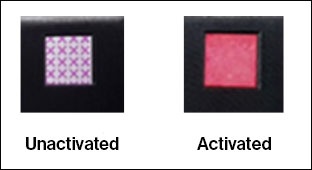
- Liquid Detection Indicator (LDI) / Liquid Contact Indicator (LCI) is activated.Samsung uses a white field with pink or red "X" marks to indicate a device that has had no liquid contact. When the indicator comes in contact with liquid, the "X" marks become pink or red smudge marks across the white field.The SIM tray is located on the top of the phone, on the left side (screen facing up). The Liquid Damage Indicator (LDI) is located inside the SIM tray slot, above the SIM frame, and is visible when the tray is removed from the device.

Damaged Ports
- View the following ports using a bright light and magnifier if possible:
- USB / Charging: Examples of charging port damage include but are not limited to:
- port is loose or wiggles.
- port is bent.
- corrosion.
- SIM tray
Display Issues or Damaged Buttons / Camera
- Examples of screen damage / button issues include but are not limited to:
- Display: Examples of display issues include but are not limited to solid line(s) present across the screen, bleeding display, punctures, cracks or excessive scratches.
- Separation: Examples of separation include but are not limited to lens or housing separating from device frame.
- Missing physical buttons: Volume, Power / Side button missing or damaged.
- Warping: Device or screen won't lay flat.
- Pixel Deformities: Caused by physical impact to screen or device.
- Camera: Missing or cracked camera lens.
Hardware Modifications
- A hardware modification is any physical change made to the device not performed by the manufacturer or an authorized agent of the manufacturer.
- Most alterations of this type are cosmetic but involve opening the device case in a way that voids the manufacturer's original warranty and is considered physical damage.
- Hardware modifications include, but are not limited to:
- bezels or cases that involve opening the case and removing the original housing.
- non-removable back case detached.
- device screens replaced.
- aftermarket decorations affixed permanently to the device.
Replacement Options
If damage is found, several replacement options may be available.