Beyond mismatched chairs: How purpose-built tech supports Latino caregivers


At a glance
Growing up first-generation after my family immigrated from Colombia, the front door of our Chicago two-flat was never closed. Our living room was the pulsing heart of our extended family. When elders grew frail, we didn’t look for outside institutions; we pulled up mismatched chairs, cleared space at the crowded kitchen table, and adjusted our daily routines to surround them with love and constant care.
I learned the true weight of that tradition when I became a caregiver for my great-aunt as she began her struggle with dementia. In her youth in Colombia, she worked as a professional telephone operator, holding hundreds of phone numbers in her memory with photographic precision into her late 70’s. Watching someone who built her early life on razor-sharp recall slowly lose those connections was heartbreaking.
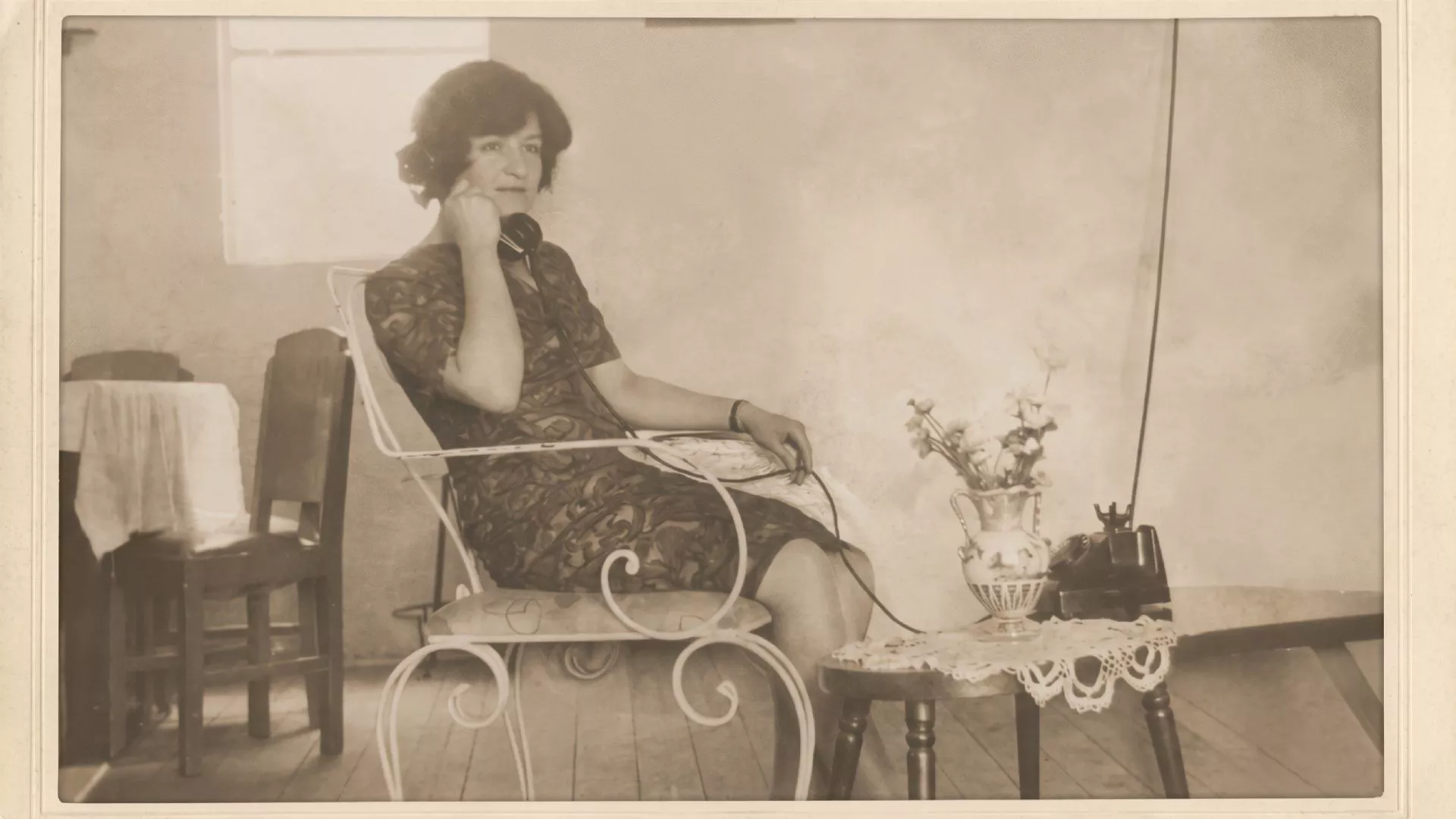
Talking was her anchor to the world, but when she tried using a standard smartphone, packed with endless app notifications, microscopic icons, and fragile glass screens, it was confusing and frustrating. A single accidental swipe would wipe her saved contacts, switch the language settings, or expose her to predatory robocalls.
My great-aunt has since passed. While I never had the chance to use purpose-built accessibility tools during her final years, her memory drives my conviction today: no family should have to navigate the quiet panic of caregiving in the dark.
“
She used to carry a traditional cordless home phone around the house because a smartphone was just too complicated. But with a dead battery or a silenced ringer, even that couldn’t keep us connected.
Familismo and the eldercare reality in Latino communities
My great-aunt’s story reflects an urgent crisis across American households. By 2030, over 73 million Americans will be aged 65 or older. In Latino communities, caring for aging relatives directly at home is driven by a deep-rooted value known as familismo—placing family needs above individual concerns and viewing eldercare as a fundamental honor. It is a commitment widely shared across other diverse groups, including Asian American, Native Hawaiian, and Pacific Islander (AANHPI) families, where deep traditions of filial piety shape similar home-first caregiving structures.
According to AARP, nearly 48% of Latino caregivers live directly with the elder they care for, providing an average of 26 hours of unpaid care every single week. Data from RAZ Mobility reveals that 45% of seniors using the RAZ Memory Cell Phone, a device tailored for those with dementia, cognitive decline, or vision loss, still live at home. It’s a striking statistic that underscores how the family living room remains the true front line of modern eldercare. In that high-pressure environment, specialized technology like the RAZ Memory Phone act as a true lifesaver for both sides of the family, protecting the senior’s independence and connectivity while giving the caregiver a partnership for peace of mind.
This commitment carries immense pressure, particularly as vulnerable seniors become targets for financial exploitation. Older adults lose an estimated $28.3 billion to financial fraud and scams each year, with cognitive decline making elders far more susceptible to aggressive telemarketers and robocall operators.
The health toll on families is equally stark. The Alzheimer’s Association reports that Hispanic Americans are 1.5 times more likely to develop Alzheimer’s and related dementias than non-Hispanic white adults. Managing this decline without structural support takes a severe toll: over 40% of Latino caregivers report taking official leaves of absence, cutting work hours, or leaving the workforce entirely to manage caregiving duties.
When standard technology fails vulnerable seniors
During my time as a caregiver, I remember sitting at my office desk twelve miles away, dialing my great-aunt’s phone only to get voicemail instantly. Panic would spike: Did she fall? Did she wander outside? Or did she accidentally swipe her screen, muting the ringer and locking herself in a settings menu?
Forced to leave work early, I would drive across town only to find her safely watching TV, completely unaware that her phone was muted or dead.
Standard mobile devices fail seniors with cognitive decline because they are engineered for multi-tasking, not accessibility. When standard phones become unusable, families often remove the device entirely, cutting off the senior’s last remaining connection to loved ones.
Designing purpose-built tech for both sides of caregiving
Solving this challenge requires technology built specifically around the realities of cognitive decline and remote family support. Purpose-built devices bridge this gap by dividing functionality into two distinct parts: an ultra-simple interface for the senior, and remote management for the caregiver.
“
The user is the senior, but the customer managing the device is the caregiver. When you design specifically for cognitive decline, you serve both sides of the relationship.
Nermin Selimic
Co-Founder and COO of RAZ Mobility
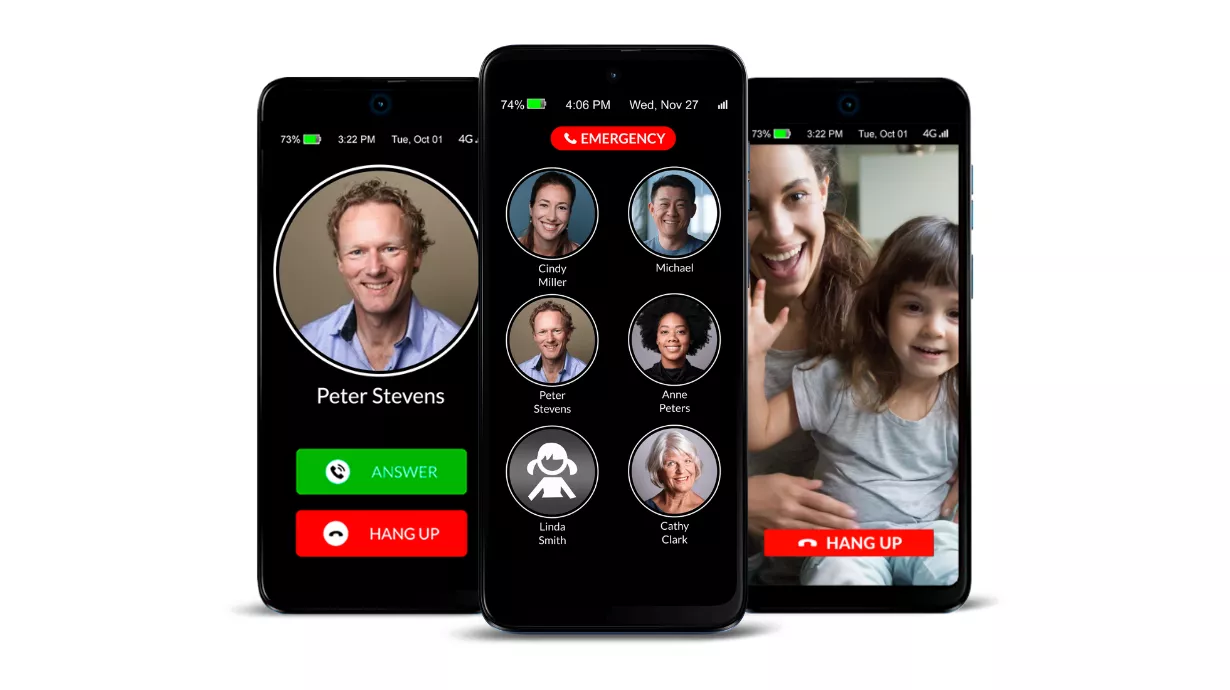
When backed by Verizon’s network, purpose-built devices like the RAZ Memory Cell Phone helps those daily technology hurdles:
The critical role of network reliability
An accessibility device is only as effective as the network backing it up. When managing a vulnerable relative from a distance, fast, reliable mobile connection mobile connectivity directly impacts health and safety.
Powered by robust, nationwide network connectivity, critical updates occur instantaneously, giving working caregivers the real-time responsiveness they depend on.
By prioritizing accessible technology backed by reliable infrastructure, we can eliminate daily panic for working caregivers, protect our elders’ independence, and ensure that living rooms across the country, mismatched chairs and all, remain places of dignity, connection, and peace of mind.
Get connected
Learn more about accessibility options and how purpose-built devices operate on Verizon’s Wireless Network. Explore our comprehensive Verizon Accessibility Resource Center or visit RAZ Mobility to explore setup guides, remote caregiver tools, and complete device specifications.
Frequently asked questions
To remotely manage a smartphone for a senior with dementia, use a purpose-built device linked to a caregiver app (such as the RAZ Care app). This allows family members to edit contact lists, adjust system settings, track real-time GPS locations, check battery health, and restrict unwanted callers directly from their own iOS or Android device.
Unlike standard smartphones with multi-layered navigation, purpose-built devices lock the interface into a single display of contact photos. They disable menus and transfer device administration to a caregiver’s smartphone via a secure app.
Caregivers can remotely edit contacts, monitor battery health, track GPS location, set quiet hours, and receive immediate alerts if emergency services are contacted.
Yes. Caregivers can restrict incoming calls exclusively to pre-approved contacts saved in the device, filtering out unapproved numbers and potential scams.
Yes. The unlocked device is compatible with Verizon’s network, allowing easy activation on existing family plans.
About the author
Katherine Cruz
Katherine “Kat” Cruz is a Communications Manager at Verizon, dedicated to navigating the intersection of complex emerging technology and customer-first advocacy. Based in Chicago, her work focuses on empowering consumers with the knowledge needed to stay ahead in the evolving digital world.
Categories: