Phone scams targeting older Americans are getting harder to spot. Here’s how tech can help.

At a glance
- Fraudsters are now using advanced tech like AI voice cloning and spoofed caller IDs to make phone scams much tougher to screen, resulting in click rates 40% higher than standard email phishing.
- These high-pressure tactics have cost older Americans billions of dollars by directly targeting retirement and fixed-income savings.
- While the threats are constantly evolving, a combination of specialized hardware and free digital literacy workshops is helping families step in and block scammers before they can reach vulnerable users.
Phone scams have been around for decades, but they are getting harder to screen. Caller ID can be spoofed, texts can imitate trusted companies, and AI voice cloning can make a stranger sound exactly like a loved one in a fabricated family emergency.
Fraud affects Americans of all ages, but older adults can face especially severe consequences when losses come from retirement savings, fixed income, or accounts built over decades.
The FBI’s most recent Internet Crime Complaint Center Report highlighted that victims over 60 filed more than 200,000 complaints and reported more than $7.7 billion in losses—the most of any age group—with the average reported loss being more than $38,000.
Protecting older adults starts with recognizing common scam tactics, reducing unwanted calls, and agreeing on simple ways to verify urgent requests.
Why calls and texts deserve more attention
Scam emails, calls, and texts often rely on urgency. Phone calls and texts in particular can make that pressure harder to ignore, prompting an immediate response.
Verizon’s 2026 Data Breach Investigations Report found that phone calls and texts produced click rates 40% higher than email in phishing simulations, showing how effective scams can be when they reach people through channels they use constantly and respond to quickly.
The methods criminals use are constantly changing, but many scams follow familiar patterns:
- Someone claims to represent a trusted institution such as a bank, government agency, or utility provider.
- A caller creates a sense of urgency, insisting immediate action is required.
- Payment is requested through unusual channels such as gift cards, cryptocurrency, payment apps or wire transfers.
- The caller asks for personal information, account access or a one-time passcode.
- The person is told not to hang up, call anyone else, or tell a family member.
The safest response is to stop and verify the request another way. Call the bank, utility company, or government agency using a number from an official website, bill, or card. If the caller claims to be a family member in trouble, hang up and call that person or another relative directly.
Blocking the threat
For older adults who need more support using a standard smartphone, a specialized device may provide another layer of protection.
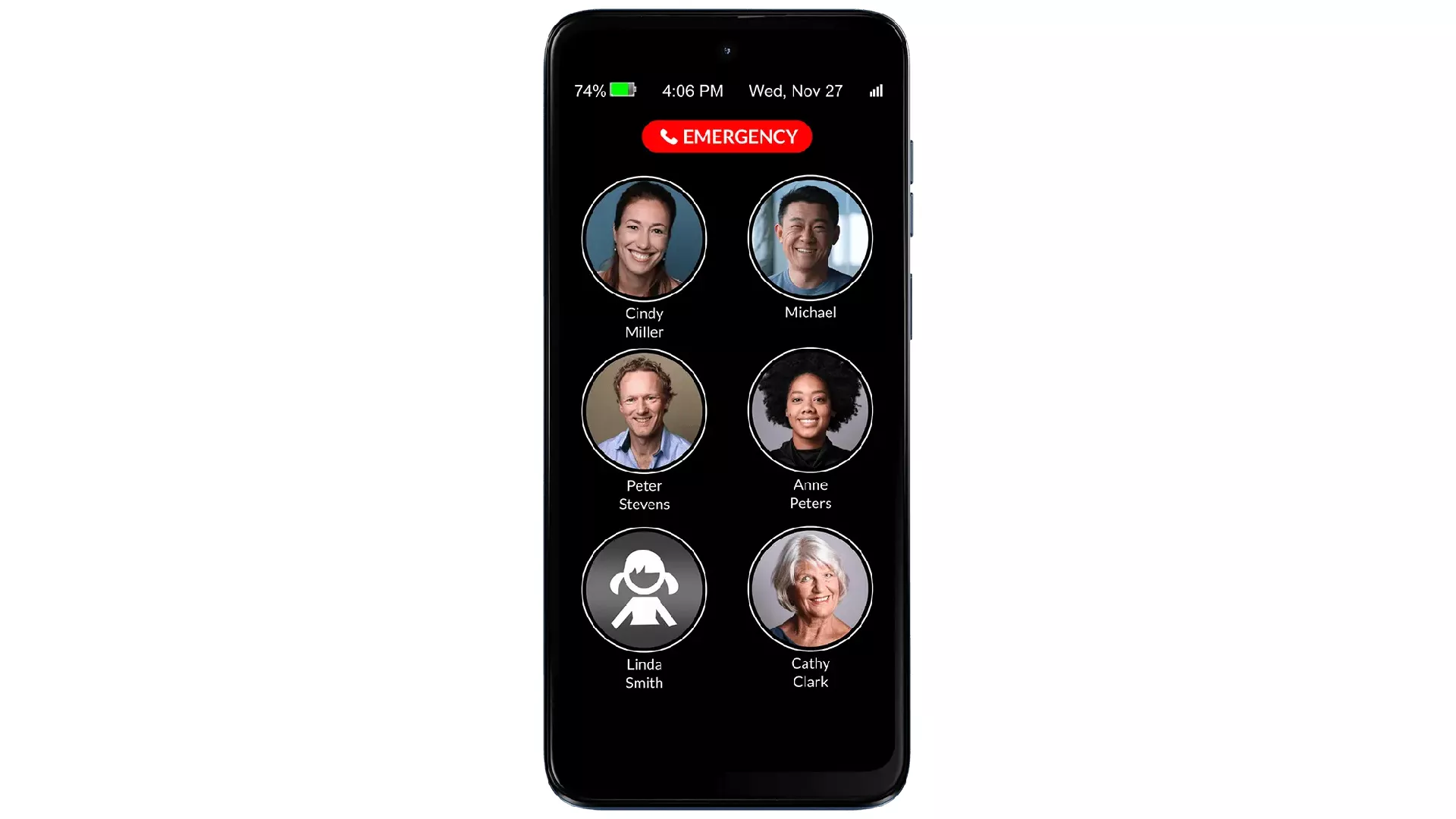
The RAZ Memory Cell Phone, available through Verizon, was designed specifically for people facing cognitive or memory challenges. The home screen completely replaces confusing applications and hidden settings menus with large photos and names of up to six trusted contacts, making it simple to recognize and call family members.
Importantly, the phone shifts the responsibility for security to a caregiver. Through a remote app, caregivers can manage the contact list and automatically block calls from non-contacts, ensuring the phone only rings for approved family and friends. Caregivers can also limit incoming and outgoing text messages to contacts only, blocking criminals from reaching the older adults in their care by text message.
Call-filtering tools like Verizon Call Filter can also help identify suspected spam, block unwanted calls, and provide more context before someone answers. Families can also review privacy settings, enable two-factor authentication, and make sure mobile accounts are protected with strong passwords.
Changing the conversation
In addition to technological advancements that help limit fraud, Verizon is investing in educating older adults about how to identify risks no matter what device they are using.
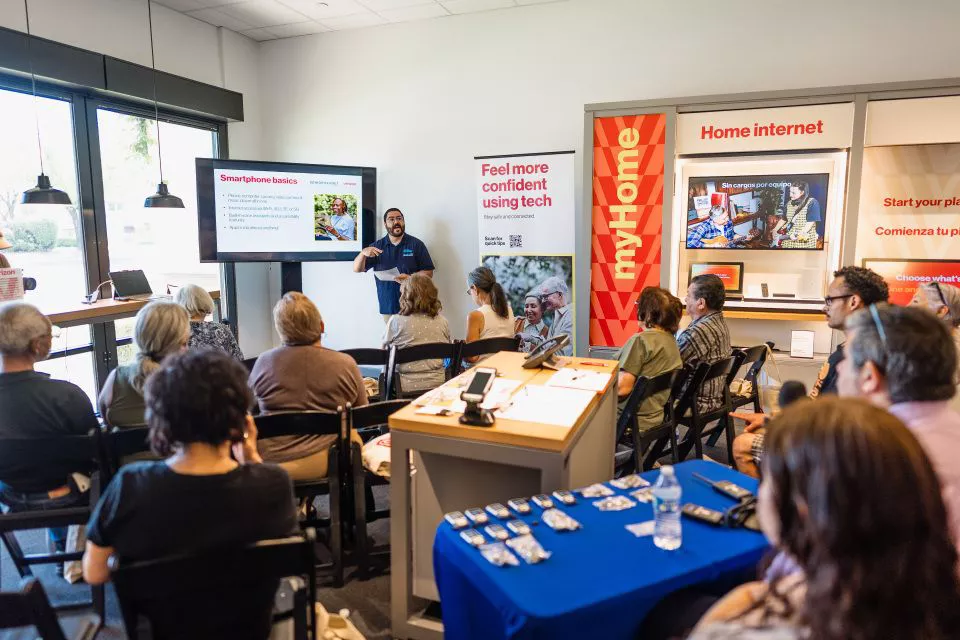
Through its Digital Wellness efforts, part of its Responsible Business work, Verizon partners with Older Adults Technology Services (OATS) from AARP to sponsor free digital safety workshops for older adults at Verizon retail stores, Senior Planet locations, and its online learning community where seniors can register for live sessions led by technology experts.
The training is built around modern security needs, such as setting up phone privacy permissions, managing passwords, and learning how to identify AI and voice-cloning scams. For seniors who prefer self-paced learning, the hub provides step-by-step video tutorials and technology guides.
To explore available safeguards, visit verizon.com/digitalwellness.