Florida residents rebuild after devastating hurricane floods


Florida homeowners Shamsher Lamba (left) and Tommy Lam (right). Photo credit: Rebuilding Together Greater Florida.
At a glance
- The Reality of Back-to-Back Devastation: When Hurricanes Helene and Milton struck Florida just two weeks apart, they didn’t just damage property—they left vulnerable residents completely displaced with no running water, electricity, or functioning kitchens.
- An Inspiring Alliance for Long-Term Recovery: Discover how a critical grant between Verizon Community Disaster Resilience and the nonprofit Rebuilding Together Greater Florida (RTGFL) is stepping in to repair 43 heavily damaged homes for those who need it most.
- More Than Just Repairs: See how these organizations went beyond standard fixes—installing advanced, storm-resilient upgrades and restoring a life-changing sense of safety and peace of mind.
In fall 2024, Hurricanes Helene and Milton struck Florida just two weeks apart. The storms overwhelmed households already stretched thin, leaving many people at risk of losing their homes.
To support long-term recovery in the Tampa Bay area, Verizon Community Disaster Resilience, an initiative that helps communities prepare for, respond to and recover from extreme weather events, provided a generous grant to Rebuilding Together Greater Florida (RTGFL), a nonprofit organization that provides free, critical home repairs to income-eligible homeowners. Together, they expect to repair 43 homes.
For Tampa residents Shamsher Lamba and Tommy Lam, this support helped them make their homes safe, livable and more resilient against future storms.
“I can’t even go into the house”
Shamsher Lamba, a teacher from Hudson, Florida, evacuated to a friend’s house during Hurricane Helene. The next morning, he returned home to find his neighborhood nearly destroyed. Debris blocked the road. A 60-foot boat rested in his front yard, carried there by floodwater. “It looked like a bomb had gone off,” Lamba says.
Five feet of water had flooded Lamba’s home during the storm. He called a friend—Lamba has a disability that made it difficult for him to navigate the debris—and said, “I need you over here. I can’t even go into the house.” His friend photographed the damage: Water had knocked over the appliances and carried his belongings throughout the house. Lamba’s home had no water, no plumbing, no functioning kitchen and a leaking roof.
Over the next two weeks, Lamba and a group of friends tried to make the house livable again. They worked through the wreckage, hauling out waterlogged debris, ruined appliances and damaged furniture. Then Hurricane Milton hit.
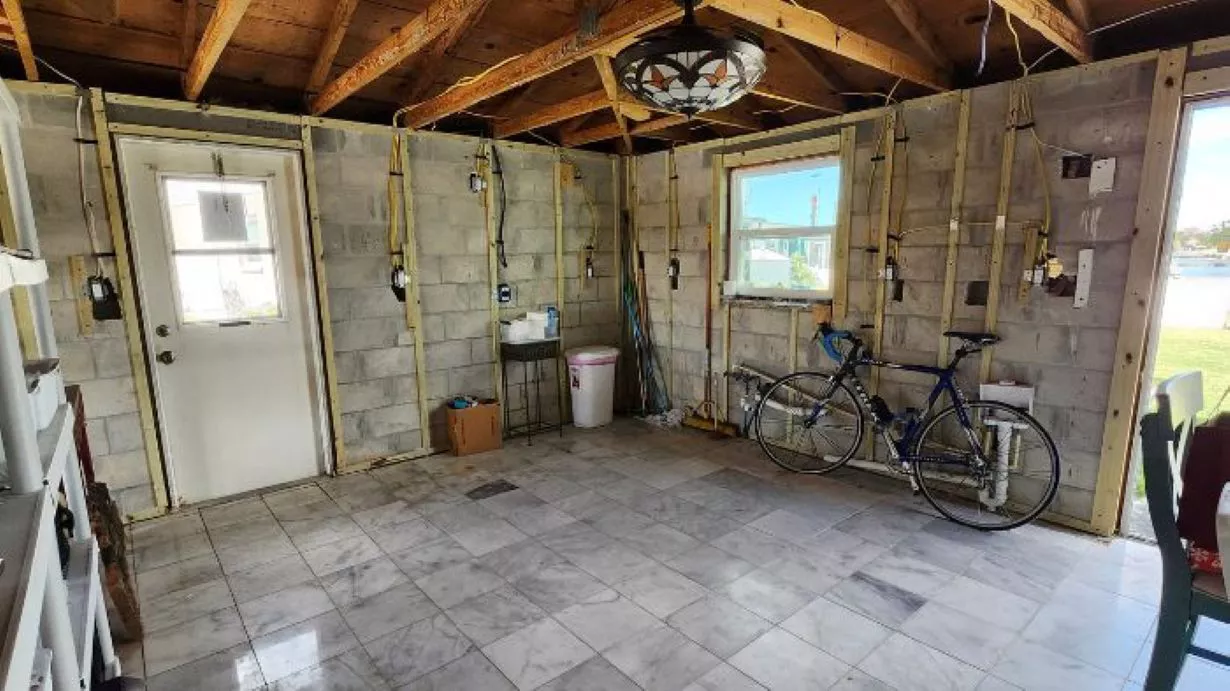
Living in the severely damaged house meant that Lamba had to shower at a local gym before work each day. He ate nothing but takeout, since he had no means to cook at home. While Lamba tried to fix his home as his finances allowed, progress was slow. He installed hurricane-resistant windows and had the electrical system rebuilt four feet off the ground to survive future flooding.
While seeking assistance with the repairs, Lamba connected with RTGFL through one of RTGFL’s partner organizations. Thanks to Community Disaster Resilience funding, the home received a complete insulation upgrade designed to make the home more weathertight and energy efficient. RTGFL completed the rest of the work: a new roof, roofline repairs to protect against water intrusion, new drywall, restored water service, an accessible shower, fresh paint and new appliances.
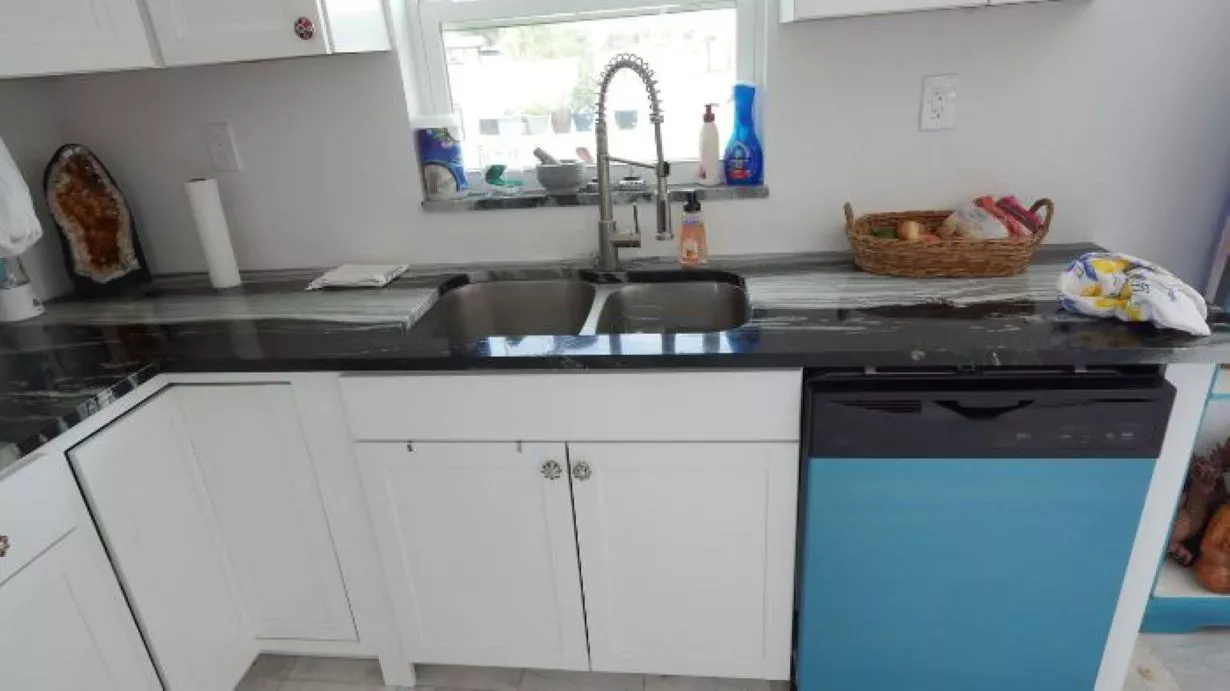
After more than a year of hauling water and using a camp toilet, Lamba says he is newly appreciative of the home’s plumbing. “I’m still getting used to the fact that I can use a toilet in my house,” Lamba says. “I can do laundry at home again. I have running water. It’s like a novelty.”
For Lamba, who didn’t share his difficulties with his students or community, accepting help was new. “I’ve been through some hurricanes, but this one hit really hard,” he says.
Lamba’s story is like many people’s in the Tampa Bay area. “The people most likely to be left behind are older adults, people with disabilities, veterans and families who were already struggling to maintain their homes,” says José Garcia, CEO of RTGFL. “A neighborhood is only as resilient as its most vulnerable residents. If we want communities to recover fully, we have to ensure everyone has a path forward, not just those with the resources to recover on their own.”
“I didn’t think the hurricane would be dangerous”
In nearby Tampa, Tommy Lam also survived both hurricanes, although with major damage to his home. Lam hadn’t heeded storm warnings for Hurricane Helene because his neighborhood isn’t a high-risk flood zone. But as the storm continued, water poured into the house. When it reached two feet, Lam finally evacuated. By the time the flood ended, the water had risen another two feet.
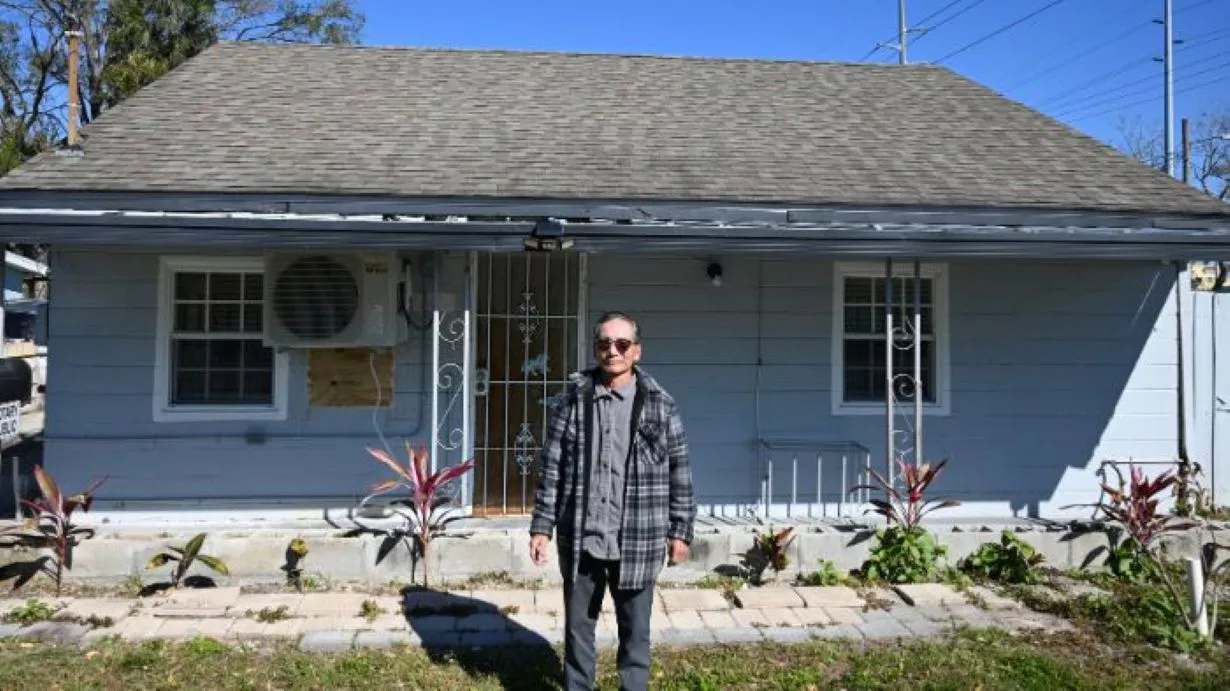
“The refrigerator, the doors, everything—I had to take it all to the dump,” Lam says. He couldn’t afford essential renovations and had nowhere else to go. “All I have is my home,” he says.
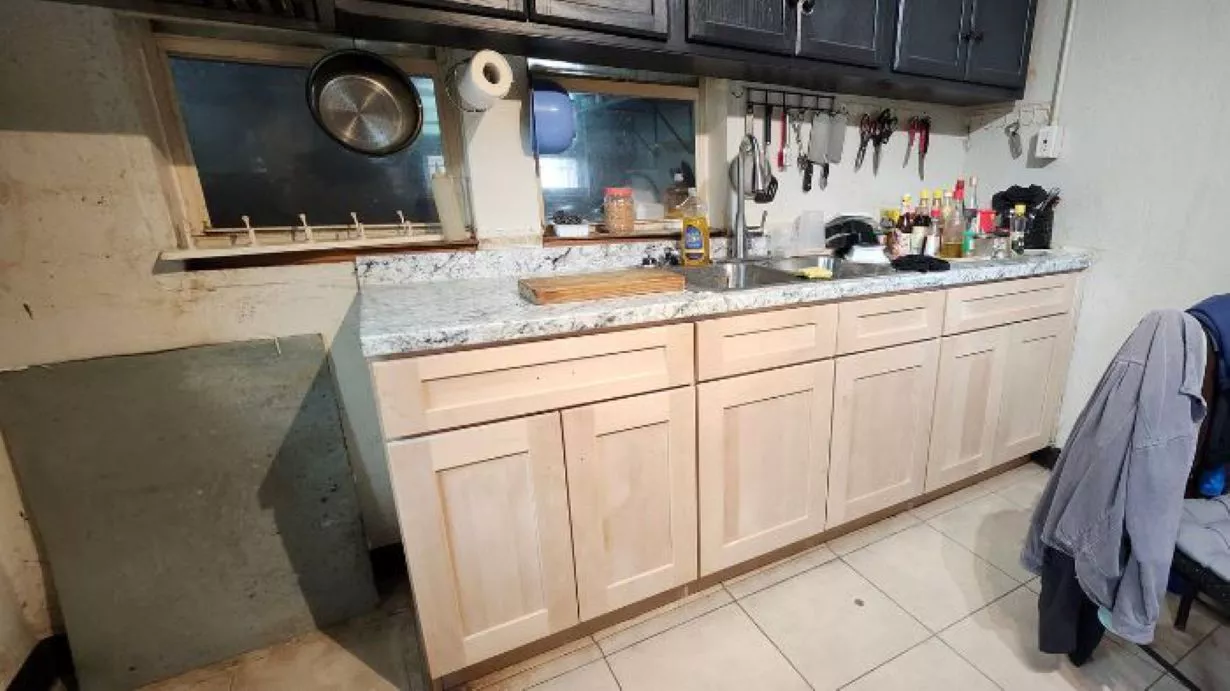
Lam was also referred to the RTGFL and Community Disaster Resilience program by an RTGFL partner organization. His home received disaster-resilient repairs and improvements, including impact windows and exterior doors funded by the Community Disaster Resilience grant. RTGFL replaced the interior doors and installed new cabinets in both the kitchen and bathrooms, as well as a new stove. Lam also enrolled in home insurance coverage for the first time.
Recovery work such as this tends to be underfunded and drawn out. Verizon seeks to address these issues through the Community Disaster Resilience initiative, both by staying present in affected communities and also by partnering with organizations such as RTGFL.
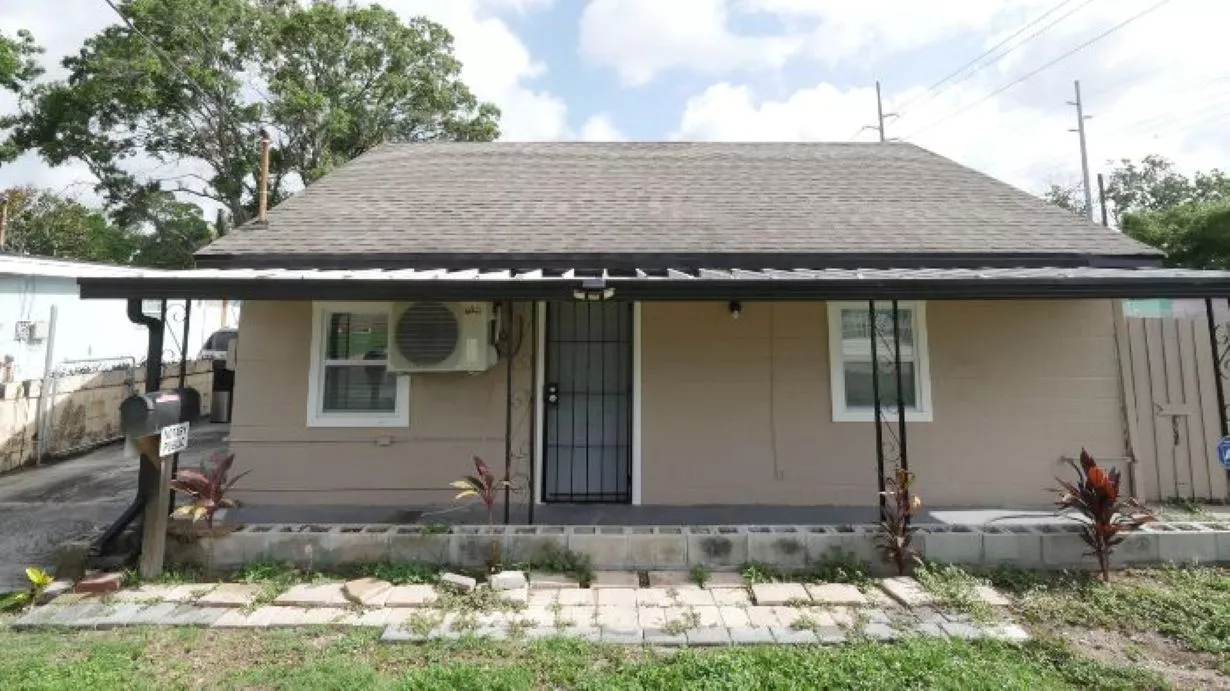
“Our goal is not just to help families recover from the last storm,” Garcia says. “We strengthen their homes through critical repairs, resilience improvements and education that can reduce damage and improve safety during future disasters.”
For homeowners, that support also means a newfound sense of peace. “I feel safe now,” Lam says. “I’m happy. It feels very good.”
For more information on Verizon’s disaster resilience initiatives, visit Verizon Community Disaster Resilience.
Verizon Communications Inc. (NYSE, Nasdaq: VZ) powers and empowers how its millions of customers live, work and play, delivering on their demand for mobility, reliable network connectivity and security. Headquartered in New York City, serving countries worldwide and nearly all of the Fortune 500, Verizon generated revenues of $138.2 billion in 2025. Verizon’s world-class team never stops innovating to meet customers where they are today and equip them for the needs of tomorrow. For more, visit verizon.com or find a retail location at verizon.com/stores.
About the author
Stacy Morrison
Stacy Morrison is a contributor to Gyrate Media, a content strategy agency. She is an award-winning journalist, author, and consultant based in the Hudson Valley, and currently Chief Strategy Officer at Clinton Haworth Collective. Prior to her work as a consultant, she was VP Content at BlogHer, and a top editor at Redbook, Marie Claire, Time Out New York and Modern Bride magazines.