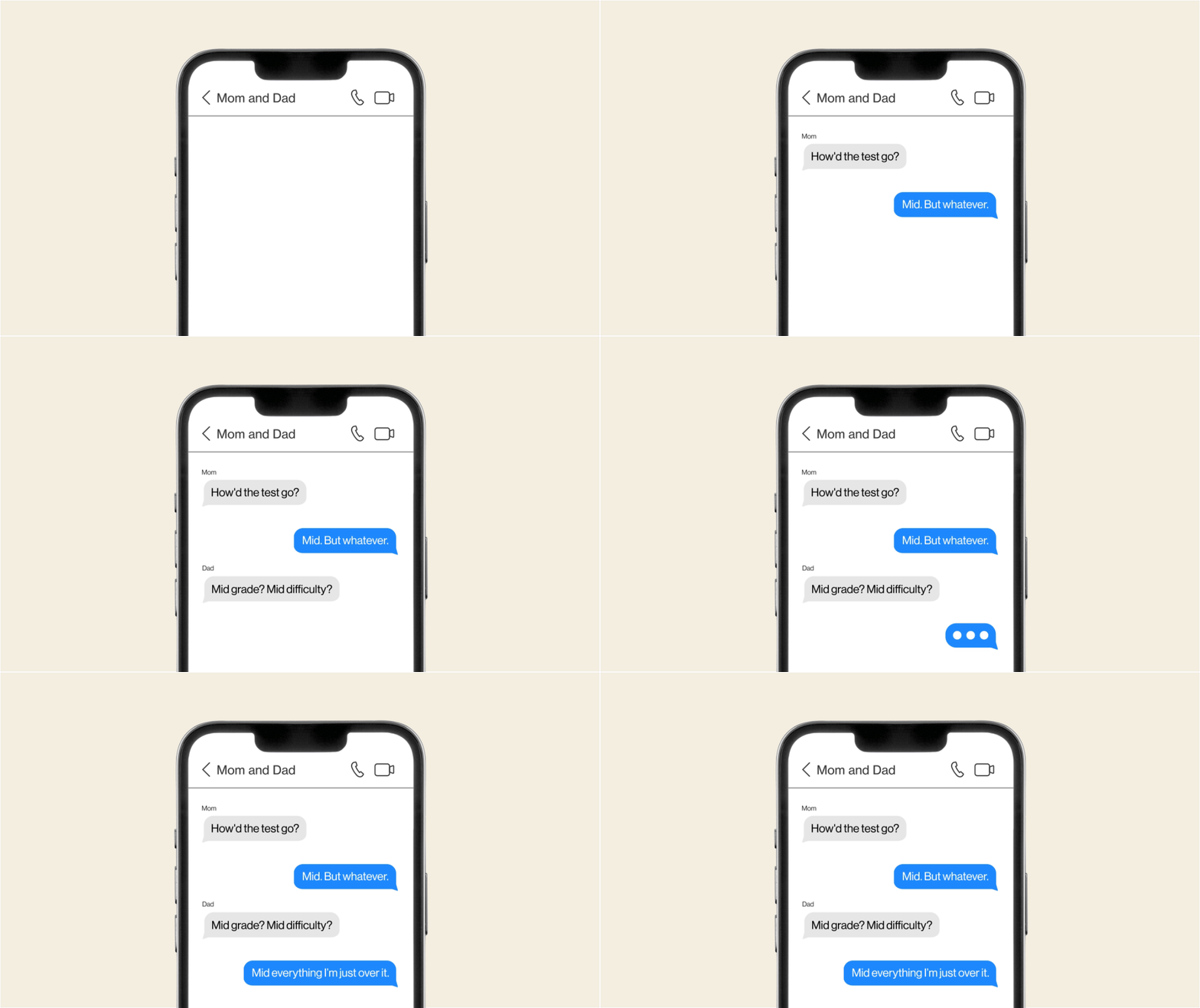
Looksmaxxing and maxxing: What parents need to know about the trend
Looksmaxxing and other maxxing trends can turn healthy goals into pressure for teens. Learn how to spot warning signs, talk about algorithms and help kids build confidence offline.

At a glance
“Maxxing” means trying to maximize or optimize something about yourself, such as your fitness, grades, sleep or appearance.
Pediatrician Dr. Whitney Casares says not all maxxing is the same. It can help teens feel more capable and confident or leave them feeling more insecure and pressured to change.
Be aware of how the habit makes your teen feel. If maxxing is increasing anxiety or self-criticism, help them spend more time on offline activities and relationships that build confidence and self-esteem.
If you’re raising a teen or tween, you may have heard the term “maxxing.” There’s looksmaxxing, studymaxxing, fitnessmaxxing, sleepmaxxing—but the idea is usually the same: Optimize something about yourself until it feels better, more impressive or more worthy of approval.
Some forms of maxxing can be harmless—and some can have a concerning edge.
“Kids and teens naturally care about belonging,” says Dr. Whitney Casares, M.D., MPH, FAAP, pediatrician and author of “Raising Body-Confident Kids: A Balanced Approach to Breaking the Cycle of Body Shame and Diet Culture.” “So they are constantly scanning the world to figure out which traits earn praise, attention or acceptance and which ones don’t.”
That desire for praise and attention is normal in adolescence, she adds. But it can become problematic.
Why does maxxing feels so tempting to teens?
For some teens, the maxxing slang itself can be appealing enough to make it enticing, just like the 6-7 trend. For some kids, however, maxxing can become more than a joke or catchphrase.
For teens who feel awkward, lonely, behind academically or unsure about their bodies, maxxing can offer a checklist-type solution: Change this one thing. Track this food. Fix this character flaw. Then things will get better.
That can feel especially tempting because it gives kids a sense of control during a life stage that often feels uncertain, Casares says. But it can also convince them that acceptance is something they can only earn by constantly upgrading themselves.

Recommendation algorithms can add another layer of pressure.
In a 2024 study published in the peer-reviewed research journal Body Image, researchers analyzed more than 1 million videos served on a popular social media platform to 91 users over a month. People with eating disorders were shown 146% more appearance-focused videos, 335% more dieting videos and 4,343% more toxic eating-disorder content compared to users without eating disorders.
“Algorithms show kids more of whatever held their attention last,” says Casares. So a passing concern about skin, fitness or appearance can lead to more content about that same concern.
That’s where maxxing and algorithms become a difficult combination. An algorithm doesn’t necessarily create insecurity, but it can keep putting that insecurity in front of a teen over and over again.
When should maxxing cause some concern?
Looksmaxxing gets a lot of attention because it focuses on appearance, but maxxing can also show up around grades, fitness or productivity. And it doesn’t always seem concerning at first.
“Maxxing around productivity or around grades can be sneakier for parents to catch because it can appear to be ambition—and society tends to reward it without question,” Casares says.
Parents don’t have to panic over every new habit or goal. Instead, pay attention to what the habit is doing to your child.
To do that, ask yourself this question: Is it helping them feel more capable and confident, or is it making them feel more anxious?
Here’s how to talk about maxxing without shutting kids down.
If your child brings up maxxing, let the conversation flow. Jumping in to label the trend toxic can shut the conversation down quickly. Instead, get curious.
Casares suggests asking questions that get to the why behind kids’ interest. For example:
- What does maxxing mean to you?
- What’s motivating you to dedicate yourself to this?
- Does it make you feel motivated or worse about yourself?
- Does it help you feel confident, or does it make you stressed?
- What would happen if you skipped the routine for a day?
These questions can help kids become mindful of the difference between caring for themselves and feeling like they need to fix themselves to earn approval.
This is also a good moment to talk about how social media feeds work. Help preteens and teens understand that interacting with, liking, sharing or commenting on certain kinds of videos can lead to more of the same content appearing in their feed.
Help your teen build confidence offline, too.
Parents can help by widening the picture beyond maxxing and social media. Friendships, hobbies, sports, creative activities, school and time with family can all remind kids that their identity is much bigger than whatever part of themselves they’re trying to optimize.
The goal isn’t to discourage teens from setting goals or wanting to improve. It’s to help them recognize the difference between healthy growth and feeling pressured to constantly critique and remake themselves.
Keeping up with the whole family just got easier with Verizon Family Plus.
Learn more about our Verizon Loyalty Program for all.
Screenshot this for later

Questions parents should ask teens about maxxing:
- Is it driven by self-care or insecurity?
- Can you skip it for a day without stress?
- Is it replacing friends, sleep or meals?
- Does it make you feel better or worse?
verizon.com/parenting