5 things parents should know about kids and online gaming friendships
Not sure what to make of your kid’s online gaming friendships? A researcher explains how these relationships form, evolve and support kids’ social lives.
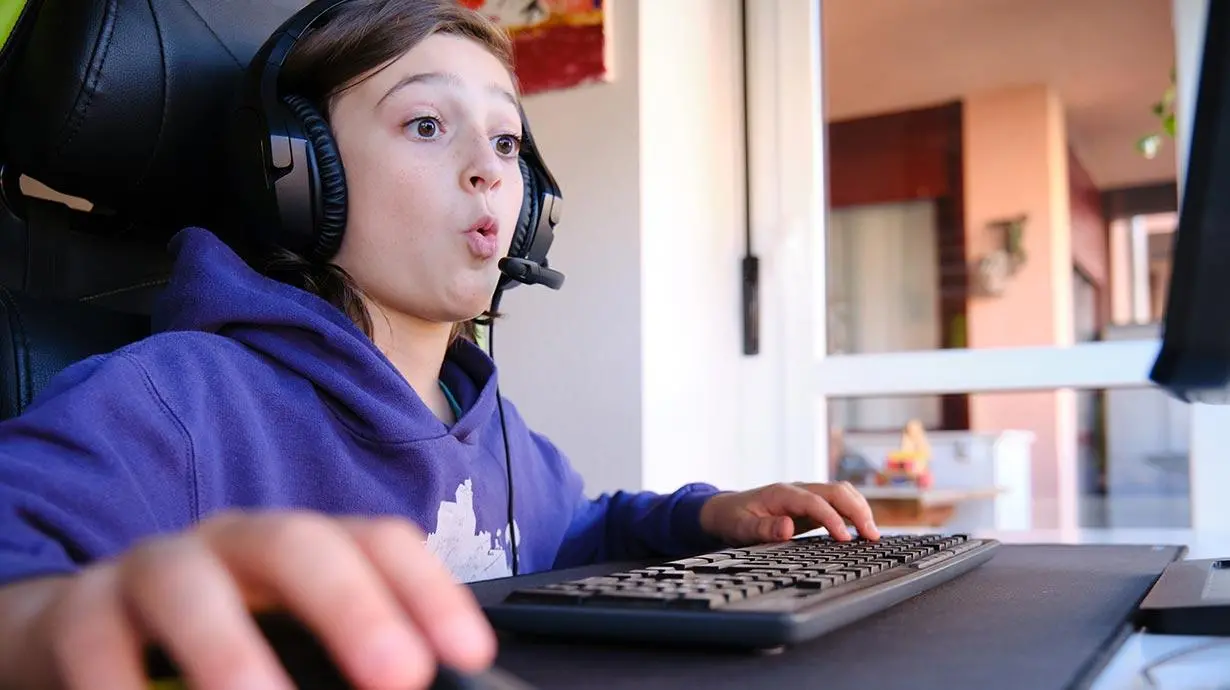
Online gaming has become one of the main ways kids hang out—they’re messaging, talking and building friendships in real time. For kids, it’s a normal way to connect. For many parents observing from the outside, it can seem like a high-risk world of faceless usernames and screen time.
The situation raises big questions for parents: Who are my kids actually meeting online? What should I worry about? What should I let go? Here, Jason Rice, a gaming research expert at Magid, a research firm that studies how kids and teens use media and technology, shares the five top research findings that parents should keep in mind—and the actions that can support kids’ continued growth.
1. Most kids start by gaming online with people they already know.
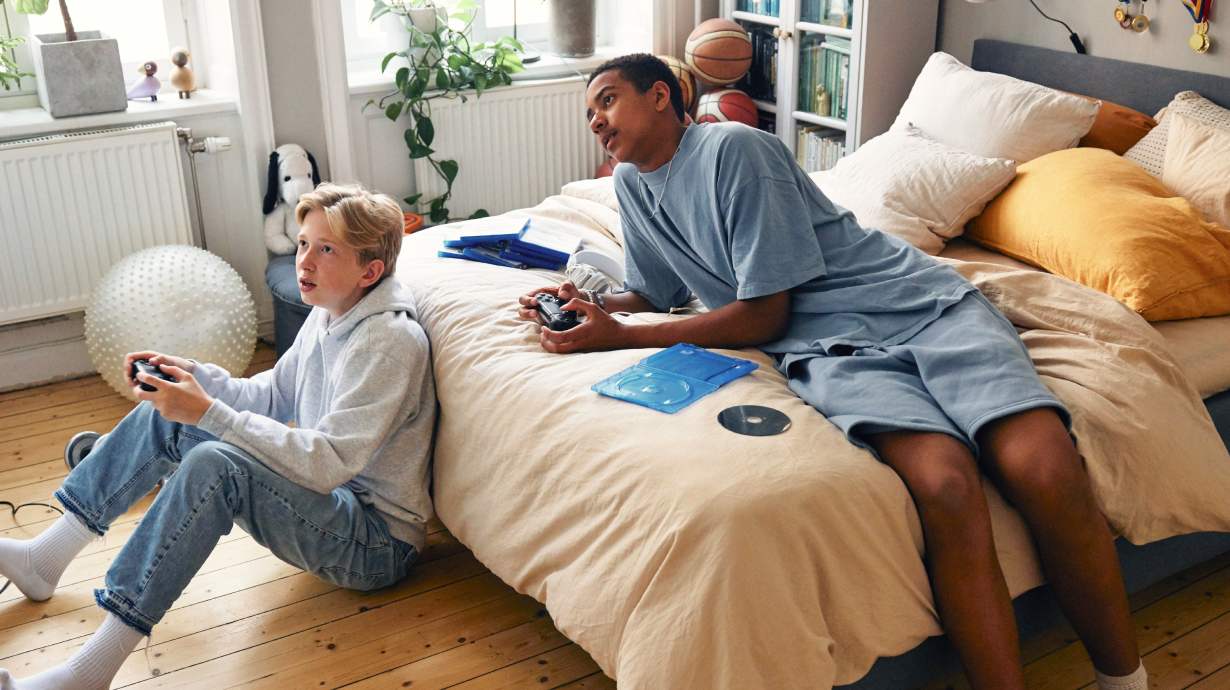
GenerationNEXT, a Magid study of the behavior of young gamers, found that 80% – 90% of kids first start online gaming with friends they already know from school, sports or their neighborhood.
“It’s an extension of their lives and the relationships they already have,” Rice explains.
2. As kids get older, their gaming communities expand.
In their teen years, a kid’s gaming community tends to shift to a broader mix of other players they don’t know, especially in large multi-player games where being matched with new people is built into the experience.
“Later, teens shift toward playing with people they don’t know, more likely due to lifestyle,” he says. They’re balancing school, sports, jobs and schedules that may be different from those of their real-life friends.
3. Online games are social spaces.
Rice compares online games to physical social spaces that parents might be more used to, like skate parks or pickup basketball courts, where kids gather with friends and strangers alike around shared interests and skills. This same kind of experience now also happens online, where kids may spend time chatting in voice channels, watching a friend stream gameplay or just hanging out.
“It’s a tough thing for parents to grasp, but it’s such a big part of their lives,” Rice says. “It’s how kids socialize.”

4. Gaming doesn’t prevent emotional connection. It can sometimes make it easier.
Research suggests that online gaming could help kids form deep or emotionally complex relationships, which can seem counterintuitive to parents.
Voice chat, small-group play and private messaging can lower social pressure and make it easier to talk openly.
“We heard repeatedly from kids that gaming made it easier to talk about things that felt awkward or intense in person,” Rice says.
Some teens even describe romantic feelings developing through gaming, not with strangers, but with people they already know offline.
5. Kids are more aware of toxicity—and more capable of dealing with it—than many parents think.
Toxic behavior in online gaming is a valid concern. Rice has studied gaming culture long enough to know that earlier environments could be harsh. But kids have adapted.
Today, many kids actively avoid toxic spaces, mute or block aggressive players, and choose games and communities where they feel safer.
“They recognize bad behavior quickly,” Rice says. “And they use the tools available to limit it or move away from it.” That said, it’s important to note that parents should still make sure kids know how to mute or block problem gamers so they can act when needed.
How parents can support online and offline friendships
In-person friendships still matter, and parents should continue encouraging offline activities. Setting consistent boundaries around screen time and gaming is still important.
You don’t have to love gaming to support your child, Rice says. Curiosity, trust and open conversation go further than dismissing or policing a social world your child genuinely cares about.
“Whether we like it or not, gaming is part of the social fabric of today’s kids,” Rice says. “For many friendships, the starting point really is, ‘Want to play?’”
We got you: You’re there for them with Verizon Family. Verizon’s there for you—including our 3-year price lock.*
*Learn more about our 3-year price lock guarantee.