5G SA
and RedCap
Balance power, performance and cost. Our 5G Standalone (SA) network and 5G Reduced Capability (RedCap) offerings give your IoT systems the connectivity and longevity your business needs.
What it is
As your organization invests in AI and autonomous systems, Verizon helps you meet evolving connectivity needs on your timeline. With a full range of tailored IoT options—including 5G SA, RedCap and ongoing 4G LTE support—you can upgrade your setup exactly when you're ready.
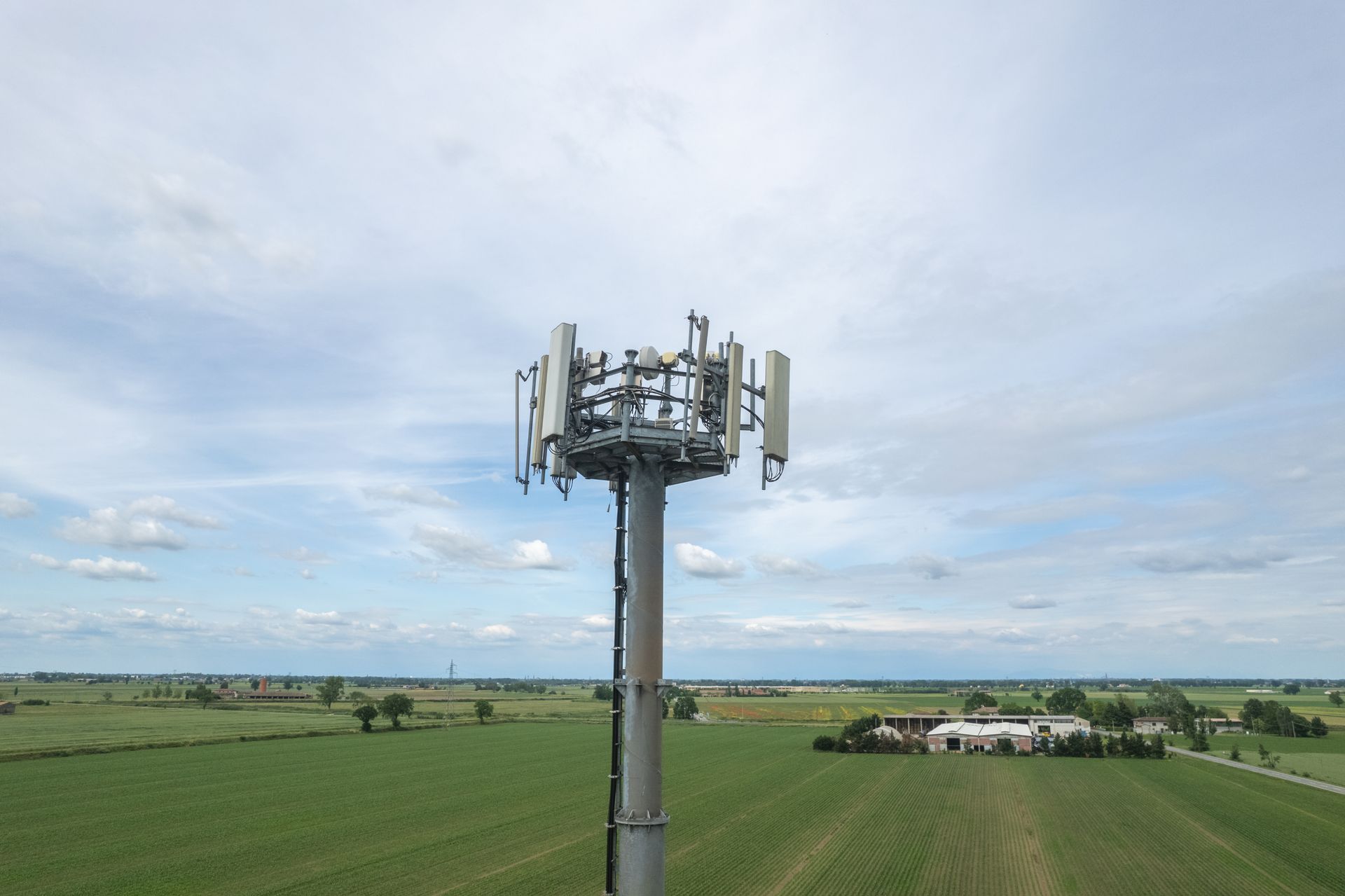
5G SA
Ideal for mission-critical operations, get low latency, maximum bandwidth and network prioritization for your data-heavy IoT.
RedCap
Connect mid-tier IoT measuring and monitoring devices to a lighter version of 5G designed specifically for moderate data needs. Upgrade from 4G performance while cutting hardware costs and extending battery life.
4G LTE support
Lean on our 4G IoT footprint for business continuity, while planning your transition to 5G at your own pace.
Benefits
With 5G SA and RedCap, get a custom-fit network designed to grow with your business.
Built for pure 5G performance
Connect directly to our dedicated 5G SA for lower latency, faster throughput and network prioritization.
Streamlined hardware, lower costs
RedCap strips away unnecessary, pricey components to deliver true 5G reliability at a fraction of full-scale prices.
Longer battery life with RedCap
Smart 5G power management extends compact device battery life by up to 50%, keeping equipment in the field longer.
Built-in 4G LTE backup
If 5G SA isn't available in a remote location, your devices seamlessly fall back to 4G LTE without any downtime.
Speed matched to your needs
From heavy-duty 5G SA tasks to light RedCap monitoring, get the exact performance your devices demand.
Use cases
RedCap
Wearables and field safety
Deliver up to 50% longer battery life for connected safety vests, environmental sensors and AR support tools.
Video-enabled security
Power body cams, vehicle dash cams and perimeter security with high-definition video feeds at reliable uplink speeds.
5G SA
Broadcast-quality 4K video
Get the high bandwidth and low latency you need to ensure lag-free, multi-cam live feeds, even in packed stadiums or challenging environments.
Emergency vehicle support
Turn ambulances into mobile emergency rooms by enabling real-time HD video, remote diagnostics and pre-hospital care.
Resources
Flyer Right-sizing your IoT network
Learn how combining 5G power with cost-effective RedCap connectivity can support everything from simple sensors to mission-critical tech.
Infographic Owning your IoT evolution
Find out how pairing 5G SA, RedCap and 4G LTE helps you cut costs, protect your existing setup and upgrade your network on your own timeframe.
FAQs
5G RedCap is critical for businesses modernizing their cellular fleets. 5G RedCap (reduced capability) is a specialized mid-tier cellular architecture that bridges the gap between low-speed narrowband pipelines and high-end ultra-broadband networks. By reducing module hardware complexity, RedCap 5G cuts deployment costs and significantly reduces power consumption. This enables modern organizations to scale high-density enterprise IoT solutions—such as smart utility grids, asset trackers and video surveillance networks—while supporting a field battery life cycle of up to 10 years or more.
When analyzing what 5G Standalone is, the primary differentiator lies in the network core infrastructure. Unlike early hybrid implementations, a native 5G SA network runs completely independent of legacy 4G LTE anchors. This pure end-to-end framework allows organizations to use 5G standalone network features such as dynamic network slicing, deterministic low latency and advanced cryptographic security protocols. This creates a far more resilient architecture than hybrid networks for hosting mission-critical business automation.
The structural choice between 5G standalone (SA) versus non-standalone models determines the long-term scalability of your 5G IoT systems. Non-standalone (NSA) paths route control data over legacy 4G LTE spectrum, limiting performance to older network core parameters. Migrating to a standalone 5G removes these limitations completely. Transitioning to native 5G standalone (SA) networks allows systems architects to configure dedicated Quality of Service (QoS) software profiles, preventing consumer mobile data traffic from causing packet loss on corporate industrial endpoints.
Many developers are searching for stable infrastructure solutions to protect their fleets from competitive carriers abruptly shutting down legacy connections. Deploying Verizon 5G Standalone (SA) capabilities removes this risk entirely. Verizon’s unique deployment strategy provides a stable, long-term 15-year operational runway. This framework concurrently runs existing infrastructure alongside emerging architectures, allowing technical teams to transition gracefully to a native 5G standalone (SA) network on their own operational timelines.
Transitioning high-volume device fleets to new cellular layers involves deep infrastructure challenges. Utilizing enterprise-grade managed IoT connectivity services provides centralized operational visibility through a unified software pane. This allows network managers to roll out over-the-air firmware adjustments, enforce zero-trust access control rules, and optimize data allocations across thousands of 5G standalone devices simultaneously, eliminating unexpected carrier overage charges and manual field maintenance costs.
Organizations looking to scale their deployments can choose from an expanding ecosystem of certified industrial-grade hardware modules. To successfully run assets on 5G standalone Verizon bands, your field routers, gateway endpoints, and integrated microchips must support native 5G SA sub-6 GHz spectrum profiles. Verizon works directly with global original equipment manufacturers (OEMs) to pre-validate and certify a wide selection of 5G SA devices via our Fast Track device certification process.
For massive machine-to-machine telemetry deployments, jumping directly to premium ultra-broadband 5G is often inefficient and costly. Investigating what is 5G RedCap reveals an intermediate architectural option designed specifically for use cases that require mid-tier speeds rather than gigabit throughput. Choosing RedCap 5G over full-performance bands allows systems architects to reduce module component costs, maximize power efficiency, and deploy high-volume assets within cost-effective 5G IoT data pricing tiers.
Native 5G standalone networks provide predictable performance through inherently higher bandwidth, lower latency, better security, and potential network slicing capabilities. This architectural feature partitions the physical network layer into multiple isolated virtual pipes. By configuring your endpoints to use 5G standalone network slices, mission-critical operations—such as automated factory robotics or remote medical sensors—receive prioritized bandwidth that remains unaffected by public network demands.
No. Quite the opposite when compared to existing 4G LTE hardware. Its literal meaning is reduced capability when compared to full 5G Standalone (SA), stripping out complex, battery-heavy hardware components (like extra antennas) that mid-tier IoT devices simply do not need, resulting in lower costs.